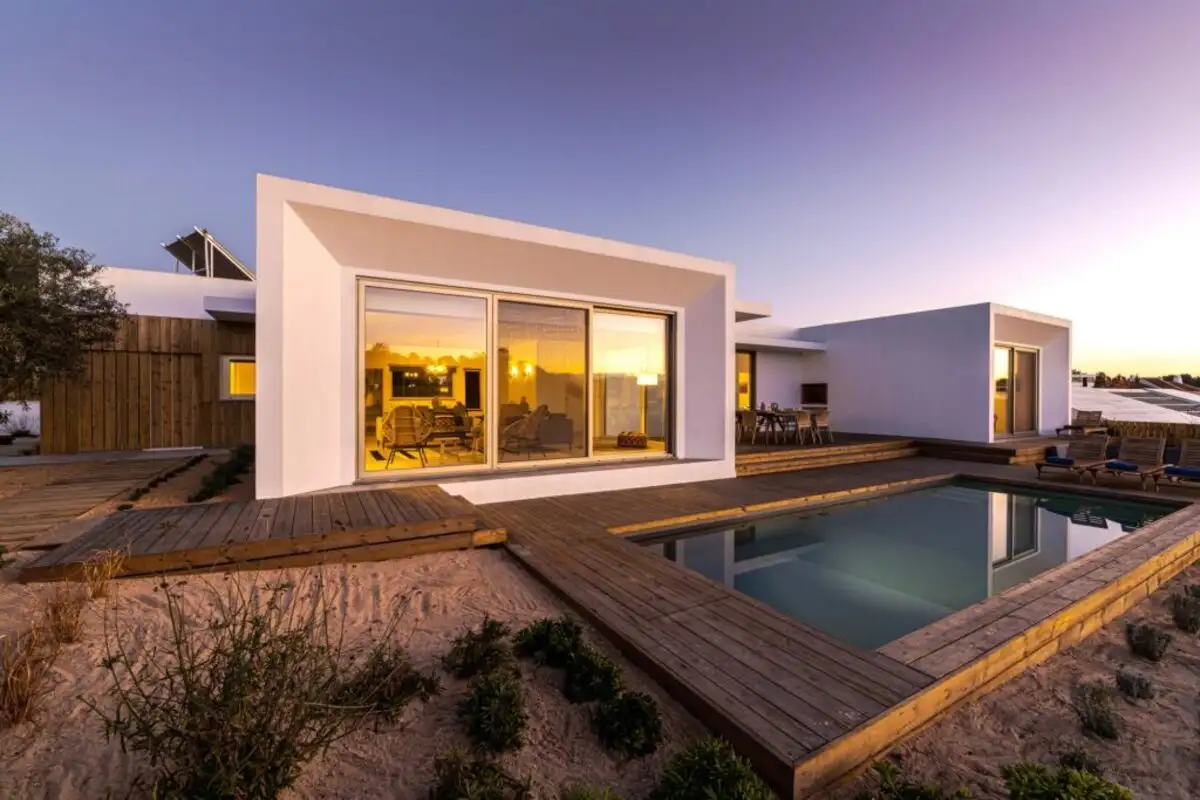
The Australian construction industry is facing a perfect storm: soaring material costs, a critical shortage of skilled labour (tradies), and unpredictable weather events that leave traditional sites muddy and delayed. In this challenging landscape, Modular Homes have emerged not just as a trend, but as the logical evolution of the housing sector.
But what exactly are modular homes? Are they just glorified shipping containers or temporary dongas? The answer is: Absolutely not.
In this comprehensive guide, Prefab Living (Phuoc Thinh) leveraging over 10 years of manufacturing excellence will demystify the technology. We’ll explain why steel-frame modular construction is fast becoming the preferred strategy for smart investors and developers across Australia in 2026.
The Definition: What Is a Modular Home?
At its most basic level, a Modular Home is a residence constructed off-site in a strictly controlled factory environment. Instead of being built brick-by-brick on a rain-soaked block of land, the home is engineered in sections, known as “modules.”
These modules are prefabricated to a near-complete stage (80-95%) – including flooring, cladding, electrical fit-outs, plumbing, and even high-end joinery before being transported to the site. Once they arrive, they are craned into position and secured onto a permanent foundation.
Expert Insight: “Think of it like the assembly line of a luxury vehicle. Every weld is inspected, every cut is precise, and the process is immune to the weather. Modular construction applies that same level of manufacturing precision to your home.”
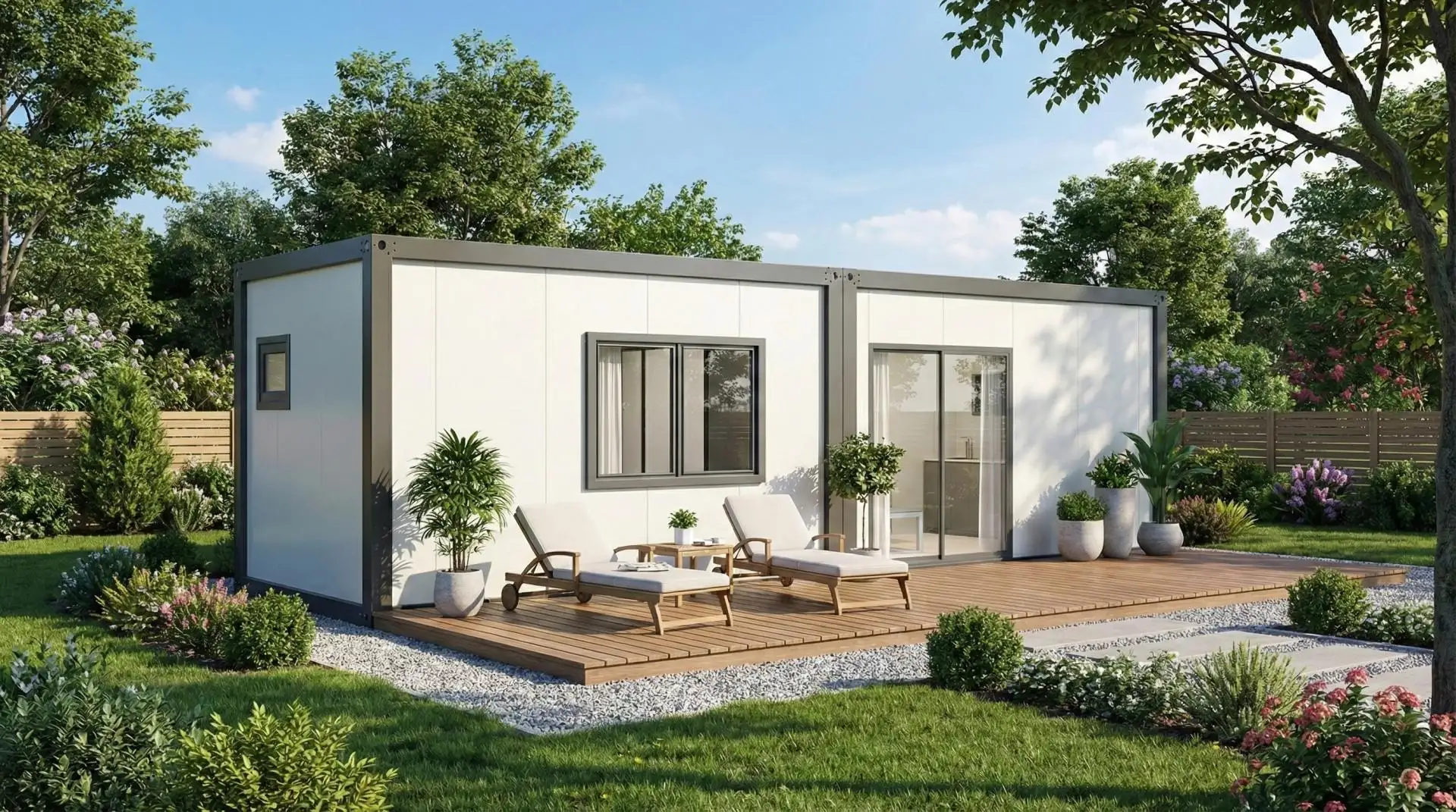
The Critical Distinction: Modular Homes vs. Mobile Homes
This is the most common misconception that holds buyers back. It is vital to understand the difference between a permanent dwelling and a relocatable unit:
- Mobile Homes (Manufactured Homes/Caravans): These are typically built on a steel chassis with wheels. They are often classified as “relocatable homes” and may not always meet the stringent standards required for permanent residential structures.
- Modular Homes: These are permanent structures. Once installed, they cannot be easily moved. Most importantly, a modular home from Phuoc Thinh is built to comply fully with the National Construction Code (NCC) of Australia and relevant Australian Standards (AS), just like any traditional site-built house.
At Phuoc Thinh, we take this concept further by utilising Galvanised Steel Frames instead of traditional timber. This ensures superior durability and resistance to Australia’s harsh conditions, which we will explore in the next section.
How Are Modular Homes Built?
To truly understand the value of a modular home, you must look beyond the finished product and examine the engineering process. Unlike traditional construction, which relies heavily on on-site labour and weather conditions, modular construction is a manufacturing process.
At Phuoc Thinh, we utilise a streamlined, high-tech approach known as Design for Manufacture and Assembly (DfMA). Here is the typical journey of a steel-frame modular home:
Step 1: Digital Engineering (BIM)
Before a single piece of steel is cut, the entire home is built virtually using Building Information Modelling (BIM) software. This allows engineers to calculate loads, optimize material usage, and ensure every electrical point and plumbing pipe is perfectly positioned.
Step 2: Precision Fabrication
This is where the magic happens. In our specialised workshops (Mechanical, Woodworking, and Aluminium & Glass), the components are fabricated:
- The Skeleton: High-grade galvanised steel is cut and welded via CNC machines to form the structural frame. This ensures millimetre-perfect accuracy that on-site timber framing simply cannot match.
- The Fit-out: Skilled tradespeople install insulation, internal cladding, windows, and cabinetry.
Step 3: The Parallel Timeline
This is the biggest advantage of modular construction. While your modules are being built in the factory in Vietnam:
On-site in Australia: Your local builder is simultaneously preparing the land and pouring the concrete foundation.
By doing these two massive tasks at the same time (parallel processing), we can reduce the total project timeline by up to 50%.
Modular vs. Traditional Construction: The Ultimate Comparison
Is modular really better? Or is it just different? Let’s look at the data. The table below compares a standard brick-and-timber build against the modern steel-frame modular solution.
| Feature | Traditional Construction ( On – site) | Standard Modular (Timber Frame) | Steel-Frame Modular (Phuoc Thinh) |
|---|---|---|---|
| Construction Time | Slow (6-12 Months). Linear process. Delays due to rain, heat, or shortage of tradies. | Fast (3-5 Months). Parallel process. | Fastest. Factory precision eliminates warping/errors. |
| Cost Certainty | Low. Subject to “variation costs” (weather delays, material price hikes during build). | High. Fixed contract price. | Highest. Labour costs are optimised via Vietnam manufacturing. |
| Durability | Variable. Timber can warp, rot, or be eaten by termites. | Good, but still uses timber which has biological risks. | Superior. Galvanised steel is termite-proof, fire-resistant, and rot-proof. |
| Weather Risk | High. Frame is exposed to rain/sun for weeks, leading to moisture issues. | Low. Built indoors. | Zero. Built indoors in a controlled environment. |
| Flexibility | High. Easy to change design during build (but expensive). | Medium. Design is locked in early. | High. Steel allows for longer spans and open-plan designs. |
Conclusion: The Future is Prefabricated
So, what are modular homes? In 2026, they are no longer the “alternative” choice. They are the smart choice.
By shifting construction from the chaotic building site to the precision-controlled factory, you eliminate the biggest risks in building: Weather delays, cost blowouts, and inconsistent quality.
For Australian developers and homeowners, partnering with a manufacturer like Phuoc Thinh offers a unique competitive edge. You get the world-class durability of Structural Steel, the speed of Parallel Construction, and the significant cost savings of Vietnam-based manufacturing. Why pay more for a slower, stressful build?
Don’t let your project get bogged down by traditional delays. Discover how our steel-frame modular solutions can bring your vision to life faster and under budget. Contact our Export Team Phuoc Thinh for a detailed “Landed Cost” estimate to your nearest Australian port.