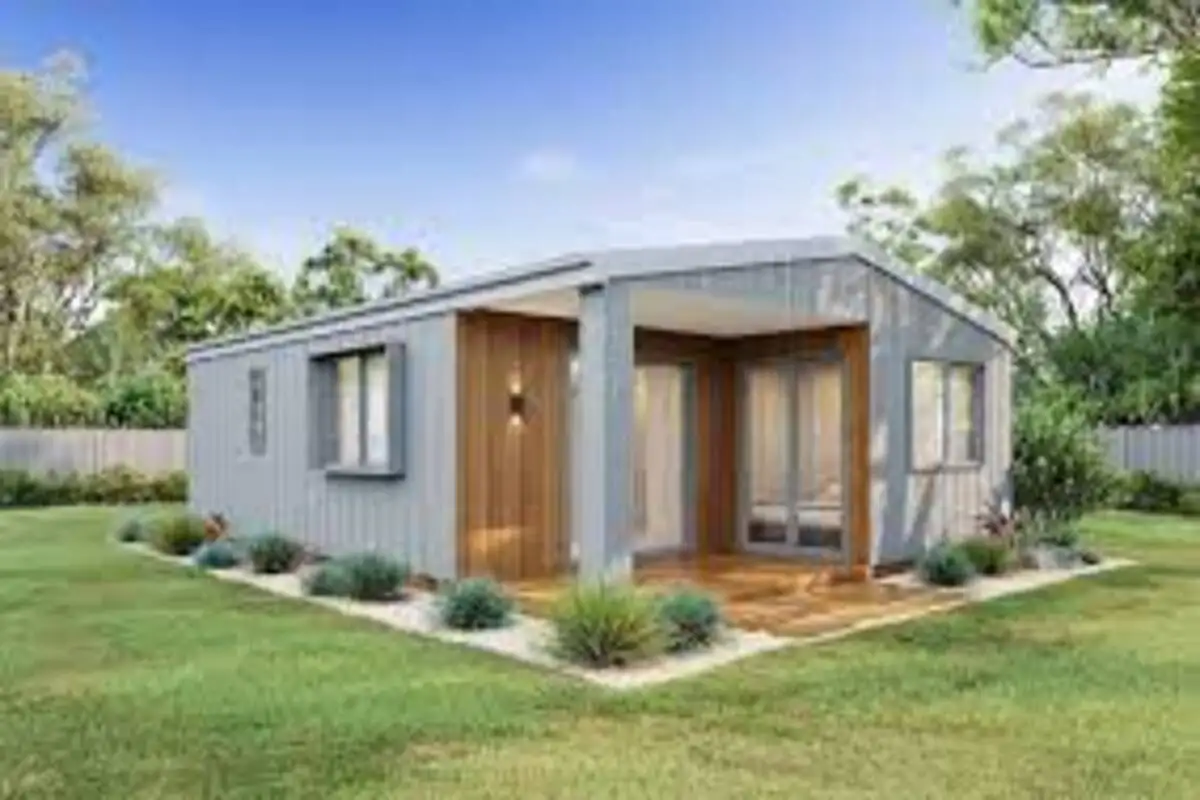
One of the most common questions we get asked is: “Can I get a mortgage for a modular home?” The short answer is Yes. However, securing a modular home loan is slightly different from financing an existing house or a standard “house and land” package. Because the home is built off-site (in a factory) rather than on your land from day one, traditional banks sometimes view it differently.
Here is everything you need to know to secure finance for your dream modular home in 2026.
Read our guide: What Are Modular Homes? The 2026 Guide to Steel-Frame Prefab Construction
Understanding the Challenge: “Off-Site” Risk
Traditional home loans use the house itself as “security” (collateral). With a standard build, the bank can see the house growing on the land.
With a modular home, the structure is manufactured in our factory. Until it is delivered and fixed to your land, some banks hesitate because the asset isn’t technically on your property yet.
The Solution? A Construction Loan. Most buyers successfully fund their project using a construction loan tailored for off-site builds, effectively functioning as a modular home loan.
How Much Deposit Do I Need?
Before starting the process, knowing your upfront costs is crucial. Generally, most lenders require a 20% deposit to avoid paying Lenders Mortgage Insurance (LMI).
Because modular homes are a specialized product, some lenders might be stricter with their Loan-to-Value Ratios (LVR). However, if you already own your land, the equity in that land can often count towards your deposit, significantly reducing the cash you need to have on hand.
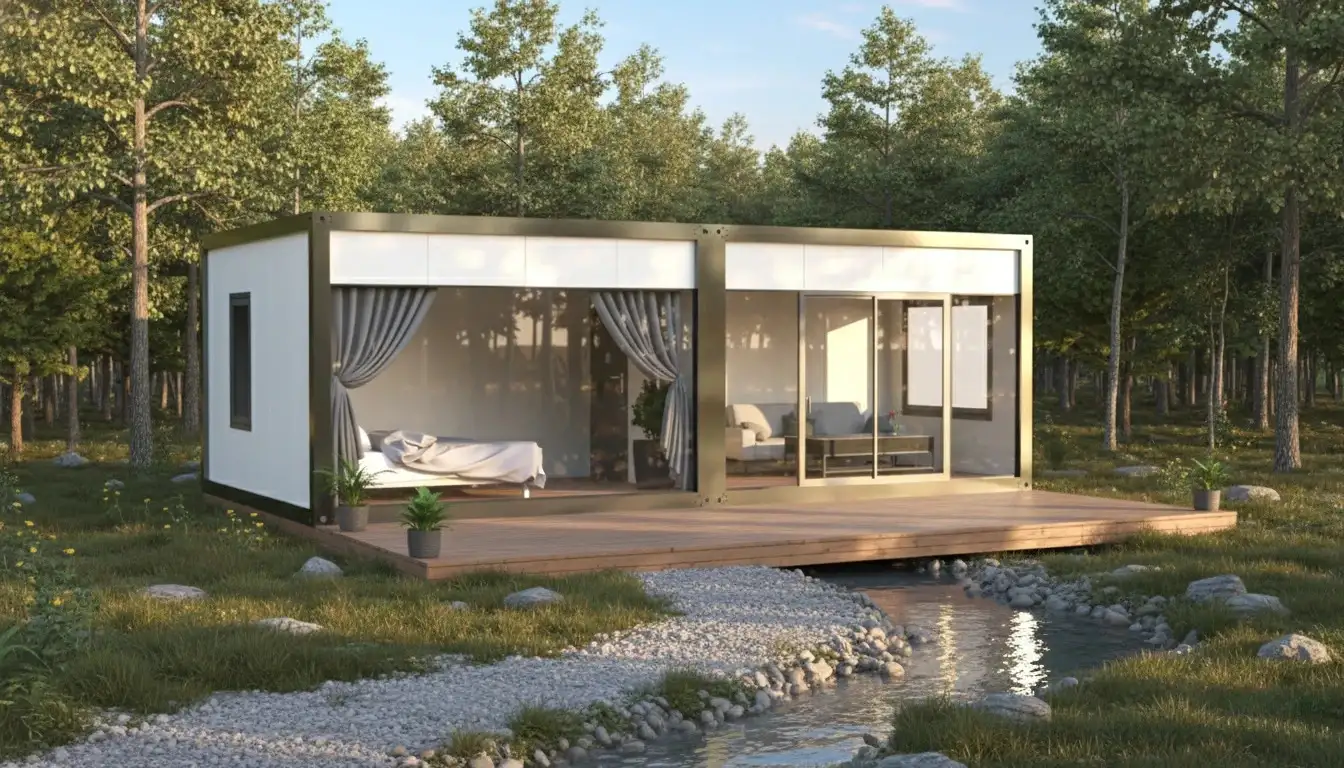
How Progress Payments Work for Modular Builds
Instead of giving you all the money at once, the bank releases funds in stages (drawdowns). A typical schedule for a modular build might look like this:
- Deposit (5-10%): To sign the contract and secure your spot in the factory schedule.
- Materials Order: Funds to purchase steel, cladding, and windows.
- Frame Stage: When the structural skeleton is complete in the factory.
- Lock-up / Factory Completion: When the module is finished and ready for transport.
- Delivery & Installation: When the home is craned onto your site and connected to services.
- Practical Completion: Final handover.
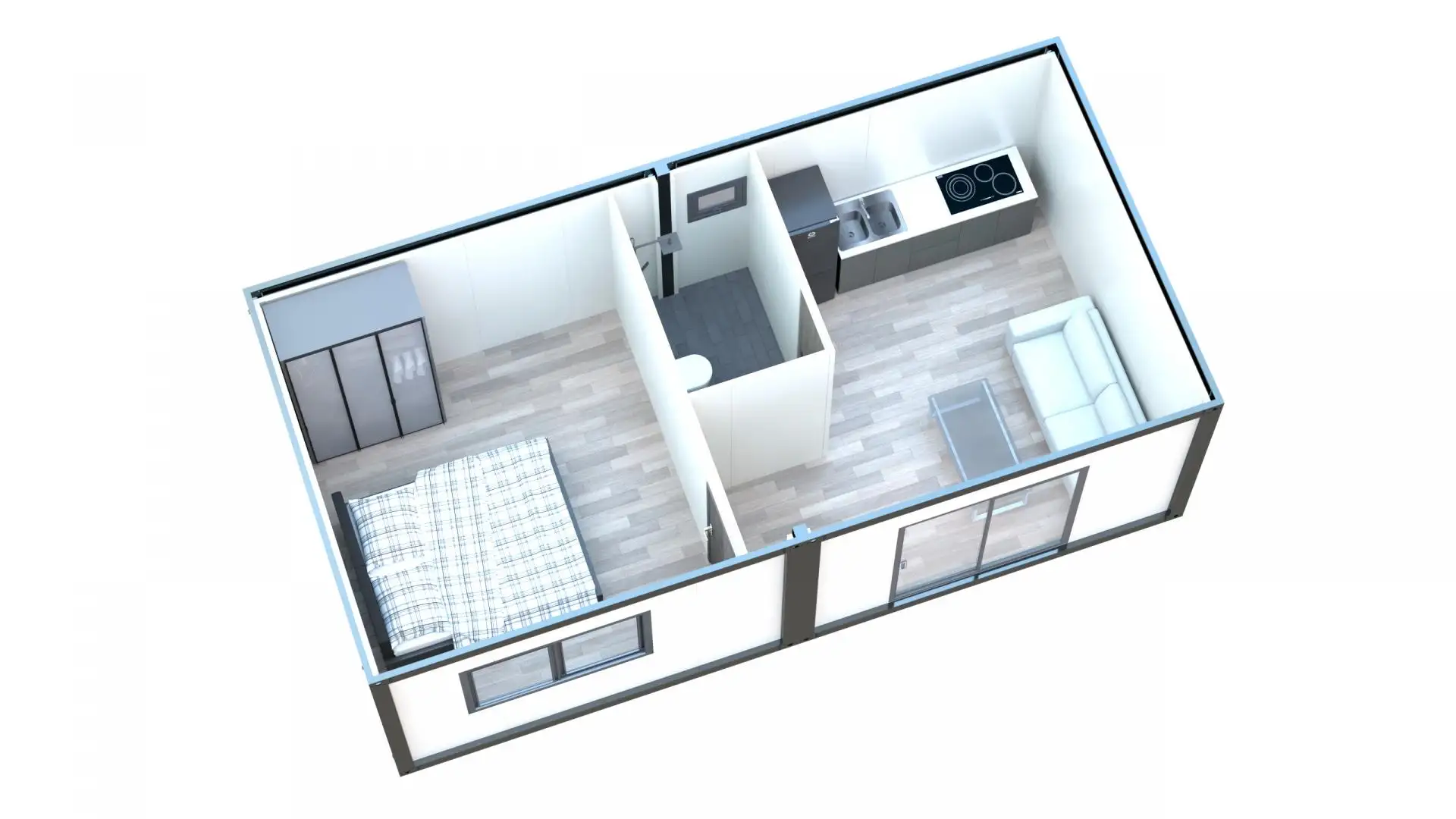
Note: You only pay interest on the amount that has been paid out, not the full loan amount, which saves you money during the build.
Owner-Builder Loans vs. Licensed Builder Contract
A critical mistake some buyers make is trying to manage the project as an “Owner-Builder” to save money. Be warned: getting a loan as an Owner-Builder is notoriously difficult in Australia and often requires a much higher deposit (sometimes 40%+).
By signing a contract with Phuoc Thinh Australia, you are buying from a professional manufacturer. This allows you to access standard residential construction loans, which have lower interest rates and easier approval criteria compared to Owner-Builder finance.
3 Tips to Get Your Modular Home Loan Approved
Speak to a Specialist Broker
Don’t just walk into your local bank branch. General bank staff often don’t understand off-site construction. We recommend working with a Mortgage Broker who specializes in construction loans or non-standard builds. They know exactly which lenders offer the best modular home loan rates and terms.
Have Your Documents Ready
To approve your finance, the lender will typically require:
- A fixed-price contract from Phuoc Thinh Australia (We provide this).
- Approved Council plans (DA or CDC).
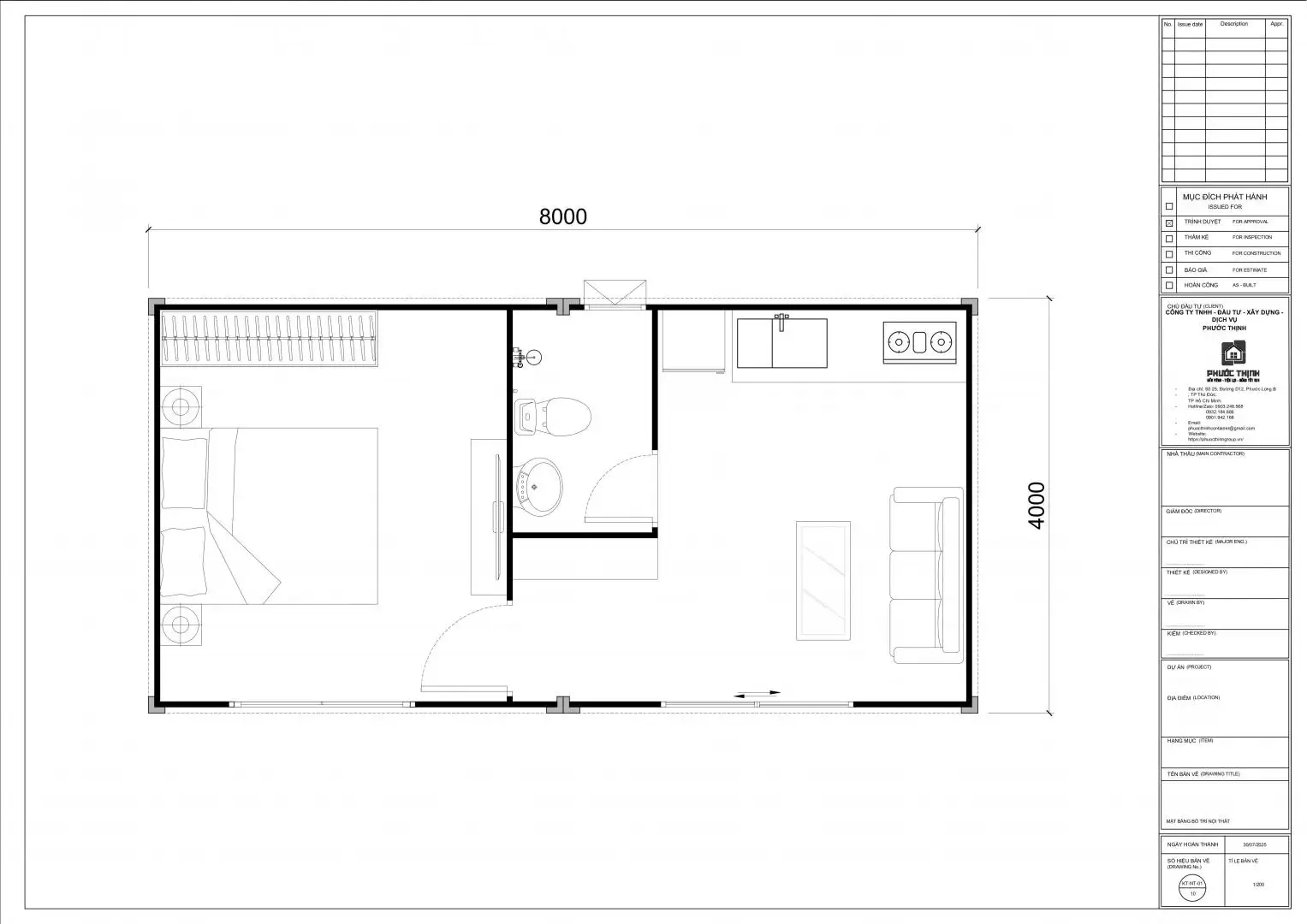
- Detailed specifications of the modular home design you have chosen.
Land Equity Helps
If you already own your land outright (or have significant equity in it), getting a modular home loan becomes much easier, as the land provides immediate security for the bank.
Can I Use the First Home Owner Grant (FHOG)?
Absolutely. In most Australian states (like Victoria, NSW, and QLD), a new modular home is treated the same as a traditional new build. If you are a first-time buyer eligible for the grant, you can apply it towards your modular home purchase. Check your specific state revenue office for the latest 2026 eligibility rules.
Conclusion
Financing a prefab home is no longer the headache it used to be. As modular construction becomes mainstream in Australia, more lenders are adapting their policies to support this faster, smarter way to build.
Don’t let finance hold you back. Browse our range of Premium Modular Homes and contact us today. Phuoc Thinh Au can provide the fixed-price contracts and documentation you need to show your lender.